
Georgia Home Inspection Services LLC offers professional home inspections for buying, selling, or maintaining your property. Our certified inspectors explain your home’s condition, outline potential repairs, and provide a detailed Spectora report (HTML/PDF) with explanations and pictures for your reference. Our goal is to provide the most detailed and thorough inspection in Middle Georgia.
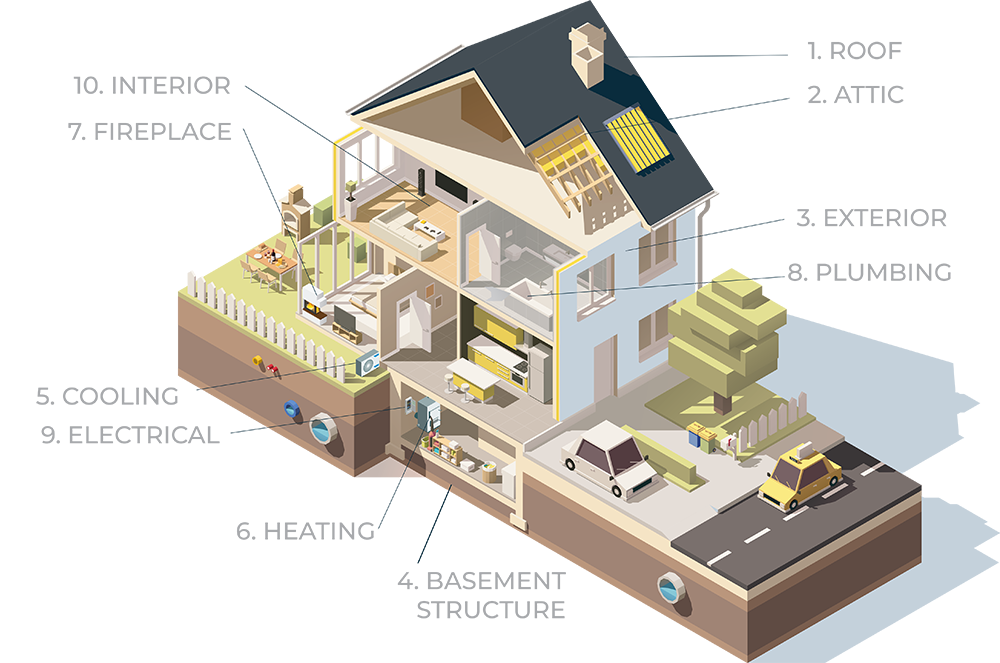
Roof coverings, drainage systems, flashings, skylights, chimneys and other roof penetrations.
Foundations, basements, crawlspaces, garages, siding, eaves, soffit, fascia, decks, balconies, porches, steps, grading, drainage, retaining walls, sprinkler systems, driveways, walkways, fencing, floors, walls, ceilings, windows, doors, cabinets/countertops, stairs, attic structure, ventilation, and insulation.
Service entrance and panels, branch circuits, outlets, connected devices and fixtures, smoke and carbon monoxide detectors, and making sure your outlets are GFCI-protected.
Dishwasher, garbage disposal, range hood, range or oven, cooktop, microwave, trash compactor, bathroom exhaust fans, garage door operation, and other built-in appliances.
Fixtures and faucets, water supply systems, drain, waste and vent systems, water heater, vents, and any sump pumps or fuel storage and distribution systems.
Heating and cooling equipment, thermostats, fireplaces, ducts, filters, vents and flues.
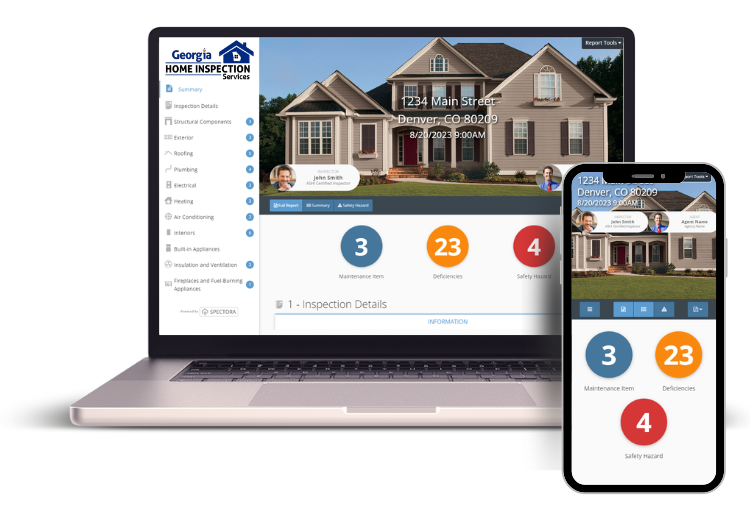
Red and orange annotations highlight key areas in your report's photos for effortless understanding.
Reports are sectioned by area (Interior, Electrical, etc.) for a clear and easy-to-follow inspection review.
Make informed decisions quickly with our guaranteed 24-hour inspection report delivery.
Review your inspection findings anytime, anywhere with our mobile-friendly reports.
Get the most out of your inspection with a free consultation to discuss findings, recommendations, and next steps.
Our inspection reports include complimentary detailed AI-Generated Repair Cost Estimates to help negotiate pricing and/or necessary repairs. This is a valuable tool to help our clients and realtors in the home buying and selling process.
Agents can quickly copy and paste information from the report using the Repair Request Document Generator, in order to request concessions or repairs from sellers.
Buying or selling a home can be a stressful experience, but we’re here to ensure you know what to expect during your home inspection.
Short answer: No — you are not required to be present for the home inspection, but you’re always welcome to attend if you’d like.
Most buyers choose not to attend the inspection at all, and that’s perfectly fine. A professional home inspection is designed to be completed independently, without needing the buyer present. You’ll still receive:
A detailed digital inspection report
Clear photos and videos of findings
Explanations written in plain language
Recommendations for repairs or further evaluation
This allows you to review everything at your own pace — often more thoroughly than trying to absorb it all onsite.
While not required, attending near the end of the inspection can be useful if you want to:
See major concerns in person
Ask questions about maintenance or repairs
Get clarification on priority issues
Better understand how systems in the home operate
Many inspectors are happy to walk you through key findings once the inspection is wrapping up.
If the home is occupied, it’s common (and preferred) for sellers to leave during the inspection or remain hands-off. This helps ensure the inspection is thorough, unbiased, and distraction-free.
You don’t need to take time off work or rearrange your schedule to attend the inspection. Whether you’re present or not, you’ll receive a comprehensive report that gives you the information you need to make confident decisions about the property.
If you do want to attend, just let your inspector know — they’ll be glad to accommodate.
A home inspection is a visual evaluation of a property’s major systems and components to help buyers understand the home’s overall condition. The inspection typically covers the roof, foundation, structure, exterior, interior, plumbing, electrical, HVAC systems, attic, insulation, and crawlspace or basement when accessible.
Most home inspections take 2–4 hours, depending on the size and age of the home. After the inspection, you’ll receive a detailed digital report with photos and recommendations highlighting safety concerns, defects, and maintenance items. A home inspection is not a pass/fail test, but a valuable tool to help you make an informed decision before purchasing a home.
To prepare for a home inspection, make sure all utilities are turned on and that the inspector has clear access to the home’s major systems and components. This includes access to the attic, crawlspace, electrical panel, water heater, HVAC equipment, and all rooms.
Replace any burned-out light bulbs, unlock gates, and secure pets ahead of time. If the home is occupied, remove personal items that block access to walls, outlets, and appliances. Providing maintenance records or repair documentation can also be helpful, but not required.
Proper preparation helps ensure a thorough inspection, reduces delays, and allows the inspector to deliver the most accurate and complete report possible.
No. A home inspection does not have a pass or fail result. A home inspection is an objective evaluation of the property’s condition at the time of the inspection. The inspector identifies safety concerns, defects, and maintenance issues, but does not determine whether a home should be bought or sold.
The inspection report is used by buyers to make informed decisions, negotiate repairs or credits, or plan future maintenance. Even newer or well-maintained homes can have issues, which is why a home inspection is an important step in the home-buying process.
Yes, you can skip a home inspection—but it is not recommended. A home inspection helps identify hidden defects, safety issues, and costly repairs that may not be visible during a walkthrough. Skipping the inspection can expose buyers to unexpected expenses after closing.
Even newer or recently renovated homes can have problems. A professional home inspection provides valuable insight, peace of mind, and leverage for negotiations, helping you make a more informed and confident decision before purchasing a home.
No. A professional home inspector does not perform or offer repairs on homes they inspect. This separation helps ensure the inspection remains unbiased and objective, with no conflict of interest.
The inspector’s role is to identify and document the home’s condition and recommend further evaluation or repairs by qualified, licensed contractors when needed. This protects the client and ensures the inspection findings are based solely on the condition of the property—not on selling repair services.
Home inspections and appraisals are separate processes and do not directly affect one another. A home inspection focuses on the condition and functionality of the home’s systems and components, while an appraisal determines the market value of the property for the lender.
Inspection reports are not shared with the appraiser unless a buyer or lender chooses to provide them. However, significant issues discovered during an inspection—such as safety hazards or major defects—may lead to repairs or renegotiations, which could indirectly impact the appraisal if repairs are required by the lender.
Both steps are important, but they serve different purposes in the home-buying process.
If a home inspection reveals major problems, it doesn’t mean the deal is over. The inspection report gives buyers the information they need to make informed decisions. Common options include requesting repairs, negotiating a price reduction or credit, seeking further evaluation by a licensed contractor, or deciding not to move forward based on the inspection contingency.
A home inspection is designed to reduce surprises and protect you from unexpected costs. Identifying significant issues before closing allows you to move forward with clarity, confidence, and leverage.
Home inspectors do not provide official repair estimates. However, inspection reports may include general cost ranges or recommendations to help clients understand the potential scope of repairs. Exact repair costs can vary based on materials, labor, and contractor pricing.
For accurate estimates, we recommend consulting licensed and qualified contractors who can evaluate the issue and provide detailed quotes. This approach ensures transparency and helps avoid conflicts of interest.
After the home inspection, you’ll receive a detailed digital inspection report outlining the home’s condition, including photos and recommendations. Buyers typically review the report with their real estate agent to decide how to move forward.
Common next steps may include requesting repairs, negotiating a credit or price adjustment, obtaining further evaluations from licensed contractors, or proceeding with the purchase as-is. The inspection report helps you make informed decisions and reduces the risk of unexpected issues after closing.
Our professional inspections go beyond a basic checklist. We provide thorough, detail-oriented evaluations, clear photo documentation, and easy-to-understand digital reports that focus on safety, major defects, and long-term concerns—not just minor cosmetic issues.
We take the time to educate our clients, answer questions, and explain findings so you know exactly what you’re buying. By using modern inspection tools and following industry-recognized Standards of Practice, we deliver inspections designed to protect your investment and give you confidence moving forward. We inspect every home or property as if we were purchasing it ourselves. We do not take our job lightly. Our job is to serve our clients by helping them save money, make better informed decisions, and have peace of mind about their investment.